
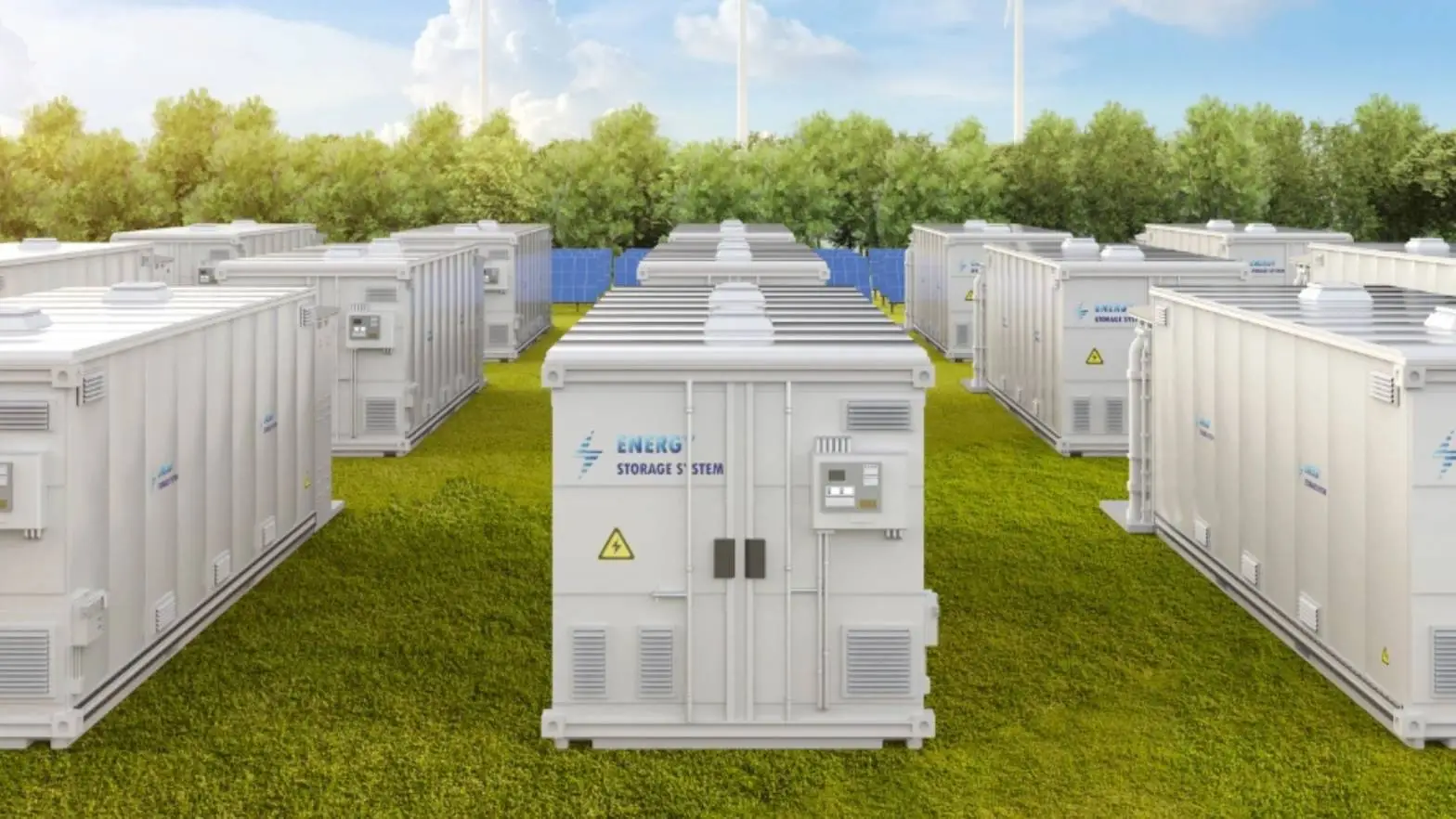
Picture waking up to a world where your lights never flicker, even after days of storms. That's the real magic of long duration energy storage technologies. These aren't just batteries; they're the backbone letting solar and wind run our lives full-time. They grab extra power when renewables flood the grid and dish it out steadily for hours, days, or weeks. No more wasting sunshine or spinning turbines in vain. As someone who's followed energy shifts for years, I see them fixing our biggest headache: matching supply to demand. We'll break it down simply—what they do, top types, hurdles, and what's next. Stick around; you'll see why they're changing everything.
What Are Long Duration Energy Storage Technologies?
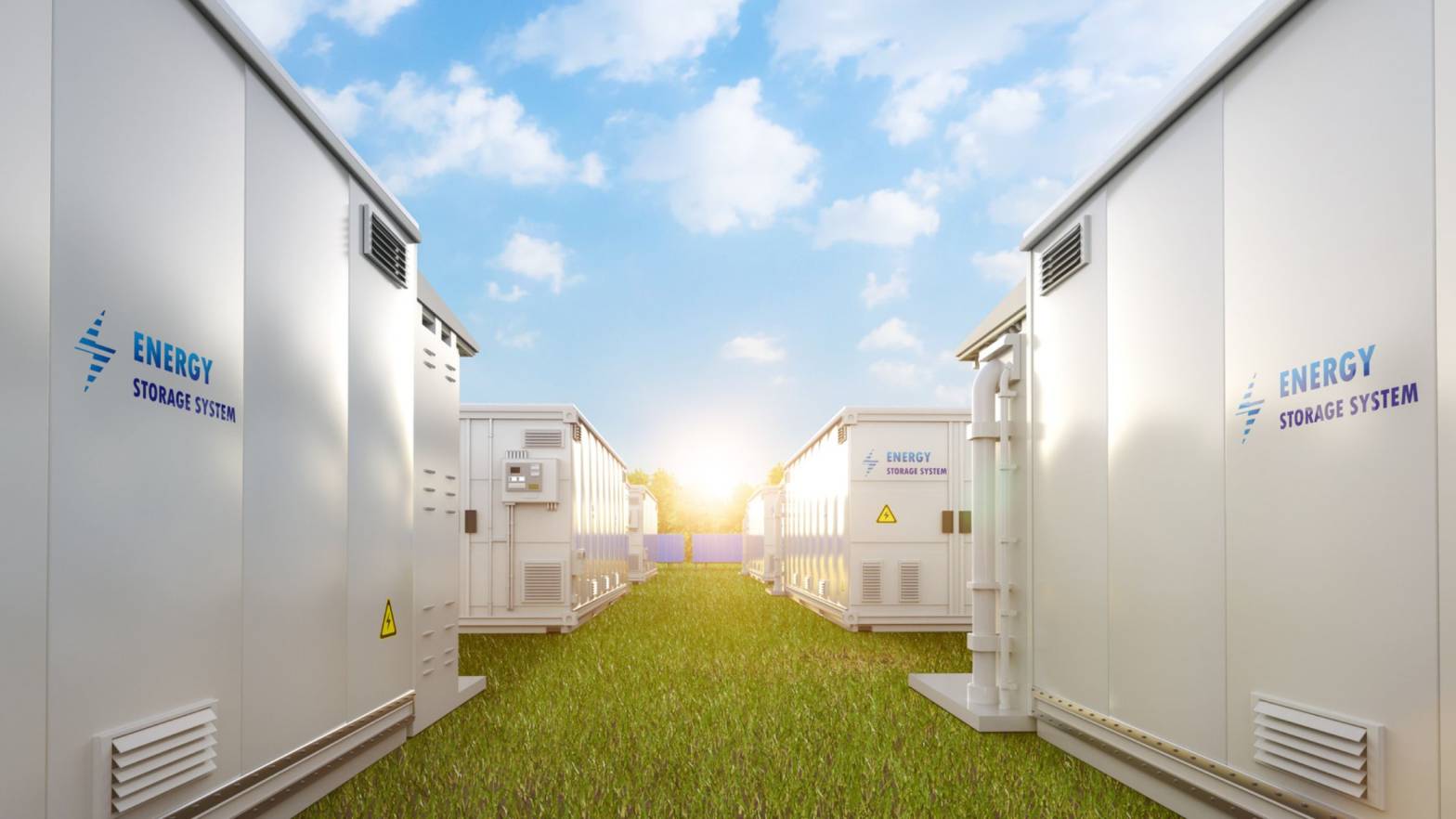
Long duration energy storage technologies capture electricity and hold it for 10 hours up to several weeks. They beat everyday batteries by handling those tough stretches when the weather turns or demand surges unexpectedly. At heart, they're about balance. Solar peaks midday; evenings need juice. These systems soak up the surplus and release it right on cue.
Take the basics. Energy goes in as electricity, gets converted—maybe to water height, chemicals, or squeezed air—and comes out as power when needed. Scales range from neighborhood size to powering whole regions. Efficiency varies, but most hit 70% or better, meaning most input becomes usable output.
Why care? Grids crash without them. One calm spell last year left millions in the dark for days. These techs prevent that, often saving 25-35% on fuel costs. They're not perfect—space or cost can bite—but tweaks make them fit more places. From my chats with engineers, the thrill is watching prototypes turn theory into daily reality.
Key Takeaway: Long duration energy storage technologies turn flaky renewables into rock-solid power.
The Need for Long Duration Energy Storage Technologies
Energy demand never sleeps, but renewables do. A single cloudy week slashes solar output by 70-90%. Wind farms idle too. Short fixes like lithium packs cover quick dips, but long duration energy storage technologies tackle the marathon ones—think multi-day lulls or seasonal slumps.
Real talk: grids teeter on the edge. Peaker plants burn gas at sky-high prices during peaks. These storage giants step up, storing cheap daytime power for nights or storms. I recall a Midwest setup that bridged a 10-day wind drought, keeping factories humming without a single blackout.
Costs add up another way. Wasted renewable energy hits billions yearly. Storage flips that—charge low, sell high. Over 10 years, one plant can offset its build cost through savings. Plus, emissions plummet as dirty backups sit idle.
Push factors? Rising extremes from weather changes demand resilience. Planners now model for week-long holds. It's practical: pair storage with farms, and output steadies like clockwork.
Key Takeaway: They bridge gaps, slashing waste and blackouts for reliable, green power.
Read Also: What Is Net Metering And How Does It
Pumped Hydro Storage: A Proven Powerhouse
Pumped hydro storage feels like old-school engineering at its best—one of the top long duration energy storage technologies. Picture two lakes, one high up. Pumps shove water uphill using spare power. Open the gates, and it crashes down, cranking turbines for electricity. Been around since the 1920s, but still king.
A standard plant might juggle 500-2,000 megawatt-hours. Efficiency? 75-85%, solid for the scale. Discharge runs 8-24 hours easily, scaling to days with big reservoirs. Maintenance is routine: inspect pipes yearly, refurbish every 20 years. Costs settle at $0.05/kWh over life.
Hands-on example: imagine a valley site. Sunny mornings fill the upper lake from solar excess. By dinner, it feeds 200,000 homes. Sites need elevation, sure—hills or dams—but closed-loop versions reuse the same water, dodging floods.
Drawbacks? Upfront dig is pricey, $1-2 billion for giants. Eco tweaks like fish ladders help. New twists use tunnels in flatlands. It's the go-to for baseload, outlasting flashier rivals.
Key Takeaway: Pumped hydro storage delivers massive, trustworthy energy with decades of proof.
| Pumped Hydro Metric | Details |
|---|---|
| Capacity Example | 1-10 GWh per site |
| Efficiency | 75-85% |
| Lifespan | 50-100 years |
| Best For | Seasonal peaks, large grids |
Flow Batteries: Chemical Energy Champs
Flow batteries redefine flexibility in long duration energy storage technologies. No solid core—just vats of liquid electrolytes zipping through a stack. Charge by pumping one way; discharge the other. Want more hours? Bigger tanks, not pricier cells.
Vanadium redox leads, with 70-80% efficiency and 20,000+ cycles. A 50 MW unit holds 500 MWh, running 10 days. I talked to a operator once; they "refuel" by trucking fresh fluid, zero downtime. Perfect for variable solar.
Setup mirrors a warehouse: tanks side-by-side, pumps humming quietly. Daily logs check flows; deep cleans yearly. Costs? $250-400/kWh now, heading to $100. Density lags solids, so plan space—think parking lot size.
Edge over lithium: no fire risk, steady output at any charge level. One farm used it through a monsoon, partial loads flawless. Organic electrolytes cut costs further, no rare metals.
They're urban-friendly, stacking in shipping containers. Watch for zinc or iron flows emerging cheaper.
Key Takeaway: Flow batteries offer endless cycles and easy scaling for real-world grit.
-
Stack modules for quick growth without redesign.
-
Recycle electrolytes on-site, cutting long-term spend.
-
Thrive in heat or cold, unlike finicky lithium packs.
Compressed Air Energy Storage: Air-Powered Reliability
Compressed air energy storage (CAES) harnesses air's squeeze like a bike pump on steroids. Off-peak, compressors pack it into caverns at 100 atmospheres. Release expands it, driving turbines. Clean adiabatic types trap heat for 60-70% efficiency.
Hunt salt domes or aquifers—nature's tanks. A 270 MW plant stores 1,300 MWh, good for 5 days. Operators monitor via apps; vents handle overpressure auto. Running costs? $3-6/MWh, unbeatable.
Story time: a facility rode out a polar vortex, supplying steady heat and power when lines froze. Builds in 2-4 years, less fuss than hydro. Footprint small underground.
Hurdles: geology picky, but liquid air variants work anywhere, freezing O2/N2 instead. No gas needed—pure green. Pairs with offshore wind beautifully.
Expansion heats up; hybrids with batteries boost response. It's the sleeper hit for cheap, endless storage.
Key Takeaway: Compressed air energy storage turns free air into grid-saving muscle.
| CAES Type | Efficiency | Duration | Cost per kWh |
|---|---|---|---|
| Diabatic | 50-60% | 10-48 hrs | $40-60 |
| Adiabatic | 70% | 24 hrs+ | $80-120 |
| Liquid Air | 50-60% | Days | $100+ |
-
Leverages caverns for zero-build storage.
-
Heat recovery makes it cleaner than ever.
-
Scales to terawatts with linked sites.
Other Emerging Long Duration Energy Storage Technologies
Diversity rules here. Gravity systems hoist concrete blocks skyward with winches. Drop 'em slow via generators—90% round-trip efficiency. A 20-story rig stores 8 MWh, lasts 30 years, tiny land use.
Thermal keeps it hot: molten salt or heated rocks hold solar warmth for weeks. Pipes steam it out at 95% heat retention. Factories love it for process heat alongside power.
Hydrogen's wildcard. Electrolyze water cheap; pipe H2 to caves. Fuel cells or turbines later—months of hold. Efficiency 40%, but zero-carbon fuel bonus.
Iron-air batteries "breathe" rust: charge builds oxide, discharge scrapes it off. $20/kWh potential, fireproof.
Zinc-hybrid flows or sodium-ion push boundaries. Table below compares:
| Tech | Efficiency | Cost ($/kWh) | Duration |
|---|---|---|---|
| Gravity | 85-90% | 100-150 | Days |
| Thermal | 90% (heat) | 20-50 | Weeks |
| Hydrogen | 40-50% | 50-100 | Months |
Mix 'em for hybrids—flow plus gravity nails it.
Key Takeaway: A toolbox of emergents fits any spot, from roofs to deserts.
You May Also Like: Renewable Energy Solutions for Frequent Power Outages
Challenges and Solutions in Long Duration Energy Storage Technologies
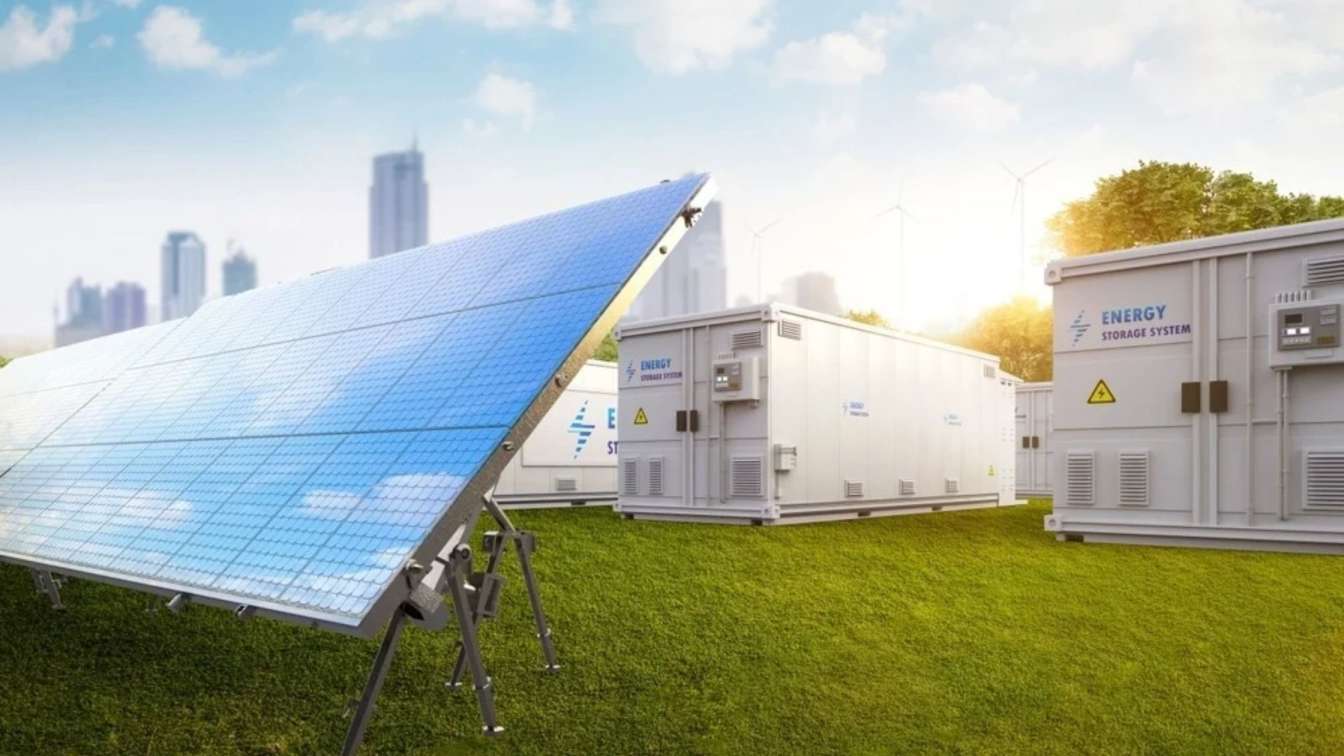
Money talks first. Builds run $200M-$2B. Beat it with prefab modules—20% cheaper yearly. Sites scarce? Seawater hydro or rooftop gravity. Efficiency bleed? Advanced insulation recoups 10-15%. Safety: quake sensors on hydro, inert gases in batteries. Grids balk at integration—AI dispatchers fix that, predicting flows dead-on. Materials? Iron and air dodge shortages. Regulations? Fast-track pilots now. Weather wear? Salt-resistant coatings. From field reports, one CAES dodged a flood with smart valves. Community pushback? Transparent demos win trust. Scale-up: start small, replicate.
Key Takeaway: Targeted fixes make these techs ready for prime time everywhere.
The Road Ahead for Long Duration Energy Storage Technologies
- Horizon glows. Capacity doubles by 2028, costs halve. Renewables dominate 70% feeds, backed solid. AI optimizes fleets; drones inspect remote sites.
- Market booms—traders arbitrage stored power. Jobs surge in builds and ops. Everyday wins: EVs charge free at night, industries run green.
- Challenges linger, but momentum's fierce. Early adopters reap now; laggards pay later. Get involved—local co-ops need voices.
- Key Takeaway: Long duration energy storage technologies pave a resilient, affordable energy era.
FAQs
What sets long duration energy storage technologies apart from regular batteries?
They endure 10+ hours to weeks, using physics or chemistry for grid muscle, not phone-sized bursts.
Is pumped hydro storage still the best bet?
For sheer scale and cheap runs, yes—proven over rivals, with room to evolve.
How practical are flow batteries right now?
Very—deployed in farms, easy to expand, outlasting others without fade.
What's the future cost of compressed air energy storage?
Dropping to $30/kWh soon, making it a budget hero for big holds.
Can these work off-grid?
Absolutely—micro versions power islands or mines independently.