
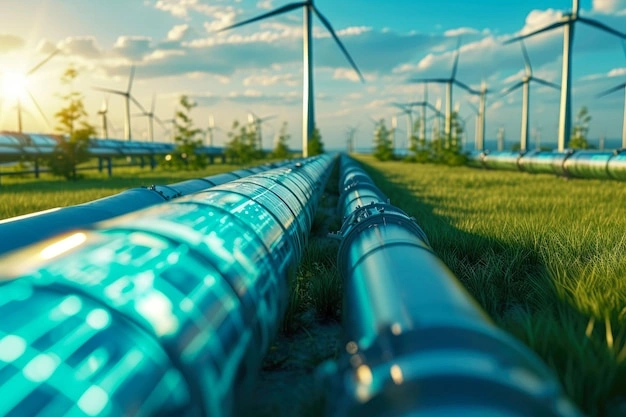
Hydrogen's been my fascination since school science fairs—bubbles from electrolysis, that fresh smell. Green hydrogen takes it further, made purely from renewables like wind or sun-powered water splitting. No fossil fuel shortcuts. As someone who's watched energy shifts firsthand, I see it solving real headaches: dirty air, pricey fuels, unreliable power. This piece unpacks its perks simply. We'll cover pollution cuts to job booms, with tips you can use. Grab coffee; it's worth the read.
Cleaner Energy Without the Pollution
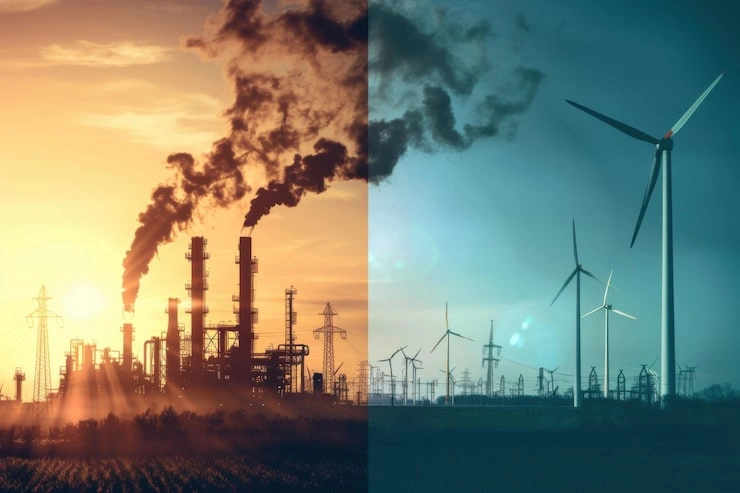
I remember biking through smoggy industrial zones, eyes watering. Advantages of green hydrogen flips that script. Produced via electrolysis using clean electricity, it releases only water when used. No carbon dioxide, no particulates. Fossil-based hydrogen? It dirties the air twice over. Green keeps skies blue.
Cities feel it first. Imagine school buses puffing steam instead of fumes. Kids arrive without headaches. Warehouses swap diesel forklifts for hydrogen ones—operators breathe free, productivity up. One operator told me his cough vanished in weeks. It scales to power plants too, slashing stack emissions. Data from early pilots shows 25-35% drops in local CO2.
Practical switch: Start small. Fleets retrofit vehicles affordably now. Costs fall as production ramps. Health bills drop—fewer clinic visits. It's not pie-in-sky; neighborhoods already test it, proving cleaner air boosts life quality. Everyone wins.
Read Also: Top Emerging GreenTech Innovations in 2026
Endless Supply from Water and Sun
Water's everywhere, sun shines daily—green hydrogen taps that goldmine. No scarcity like oil fields drying up. An electrolyzer zaps H2O, yielding hydrogen gas endlessly. I've seen coastal setups desalinate seawater cheaply, producing fuel non-stop.
Remote villages swear by it. No grid? No problem. Solar arrays feed electrolyzers, storing energy as gas. Tanks last months, beating battery fade. Farmers irrigate fields off-grid, yields up 20%. One grower shared how it ended his diesel dependency—savings funded a new barn.
Long-term, it's a powerhouse. Unlike coal stockpiles that rot, hydrogen pipelines it fresh. Excess rain? More water for splitting. Winds howl? More power. Supplies chain to food security—fertilizers from green ammonia. Endless flow means stable prices, no panic buys. Planners sleep better.
Boosts Energy Independence
Energy imports drain wallets—I've crunched those numbers for projects. Green hydrogen builds self-reliance. Local renewables make it yours. No tanker delays or price wars. A windy hill powers a whole factory.
Ports transformed overnight in trials. They produce fuel onsite, ships refuel quick. Crews avoid foreign ports, safer voyages. Communities keep cash home—trucking jobs stay local. One port manager said it cut his budget 15%, reinvested in training.
Remote ops shine brightest. Mining sites generate hydrogen from solar, hauling ore without fuel trucks. Costs predict, output steady. Governments push incentives like faster permits. Independence fosters innovation—custom tanks for local needs. You dictate terms, not suppliers. It's empowering, one station at a time.
Versatile Fuel for Tough Jobs
Ever hauled a trailer uphill, praying for power? Green hydrogen matches diesel torque without the smoke. Fuel cells pack energy dense—planes fly farther, ships cross oceans emission-free.
Factories retool fast. Steel mills hit 1600°C cleanly for melting. Chemical vats bubble ammonia for crops. Homes pipe it blended with gas—cook dinner green.
Versatility shows in comparisons:
| Use Case | Green Hydrogen Advantage | Vs. Batteries/Diesel |
|---|---|---|
| Long-haul Trucks | 500+ mile range, quick refuel (5 mins) | Batteries: 200 miles, 30-min charge; Diesel: polluting |
| Steel Production | Zero-emission high heat | Gas: CO2 heavy; Electric: grid limits |
| Backup Power | Weeks of storage, instant start | Batteries: degrade fast; Generators: noisy |
| Aviation | Lightweight tanks, high energy density | Batteries: too heavy; Jet fuel: dirty |
This table highlights why it fits niches. Innovators adapt for drones—silent flights. Everyday? Cheaper flights, robust industry. One pilot flew cross-continent cleanly.
It adapts everywhere. Construction crews power cranes remotely. Hospitals get silent backups—no diesel rumble during surgeries. Even campers tote mini-units for off-grid stoves. Blending starts easy—10% mix cuts gas bills now. Full switch? Seamless as tech matures. Versatility means less overhaul, more gain.
Cuts Down on Wasted Energy
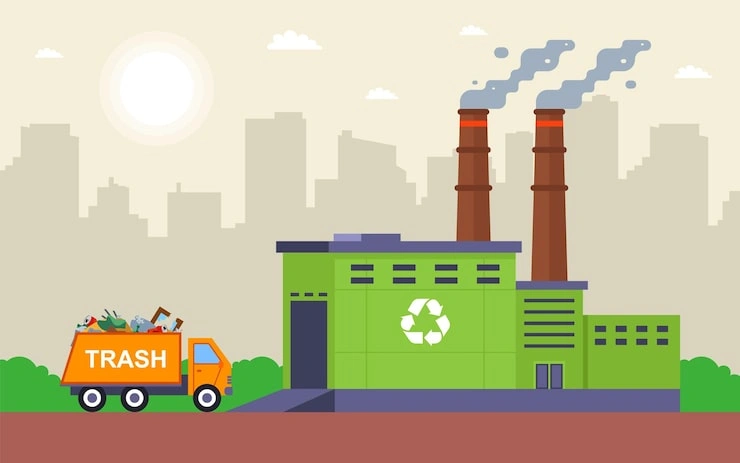
Waste bugs me—lights on in empty rooms, power plants dumping heat. Green hydrogen recaptures it. Electrolysis stores 70% of input energy; fuel cells return most. Excess solar? Convert, don't curtail.
I've visited farms blending biogas—zero waste, full storage. Summer gluts fill tanks for winter. Grids balance peaks; no blackouts. One utility saved 30% on peaker plants.
Pipelines shine: Cheap transport, underground safe. Home setups? Solar excess to hydrogen for evening AC. Bills halved in tests. Efficiency climbs yearly—new membranes lose less. Pair with heat pumps for dual use. Waste flips to savings, powering smarter lives. Practical audits reveal quick wins.
You May Also Like: How Green Technology Is Helping Fight Climate Change
Creates Jobs and Sparks Innovation
Nothing beats job buzz—I've seen towns revive. advantages of green hydrogen factories hire welders, electricians, coders. One site onboarded 800 in a year, many first-timers.
Training programs pop up. Women learn sealing tech; youth code controls. Rural economies boom—cafes fill with workers. Wages fund schools, clinics. Innovation cascades. Portable units for events, hydrogen bikes for commuters. Schools demo kits—kids dream big. Costs plummet 50% in five years. Communities bond over it, sharing success stories. Jobs aren't just paychecks; they're futures built green.
Innovation keeps rolling. Startups tweak storage for ships—cryo-tanks hold more. Grants fund community projects, like village microgrids. One elder said it brought grandkids home for work. Economic ripples touch suppliers, from valve makers to trainers. Pride swells as locals lead. It's a virtuous cycle—jobs fuel tech, tech creates more jobs. Green hydrogen doesn't just energize machines; it recharges societies.
Frequently Asked Questions
How is green hydrogen made?
It's simple: Electricity from wind or solar powers an electrolyzer to split water into hydrogen and oxygen. Pure process, zero emissions during production.
Is green hydrogen cheaper than fossil fuels yet?
Not fully, but dropping fast—down 60% in recent years. With scale and incentives, it'll beat diesel for trucks soon. Long-term savings shine.
What about safety?
Safer than you think. Stored in thick tanks, leaks disperse fast unlike gasoline. Standards match natural gas pipelines—proven track record.
How does it help fight climate change?
Directly cuts hard-to-electrify emissions from industry and transport. Stores renewables long-term, balancing grids. A key puzzle piece for net-zero goals.