
When the power goes out, everything stops. The food in the fridge gets warm. The phones go dead. The house gets dark. You need a way to keep things running. Most people look at two choices. One is a home battery storage system. The other is a gas or propane generator.
Both will give you power when the grid fails. But they work in very different ways. They cost different amounts. They need different care. And they fit different kinds of homes. This guide will walk you through every part of this choice. By the end, you will know exactly which one is right for your house, your money, and your peace of battery storage vs generator for home.
What Is A Home Battery Storage System?
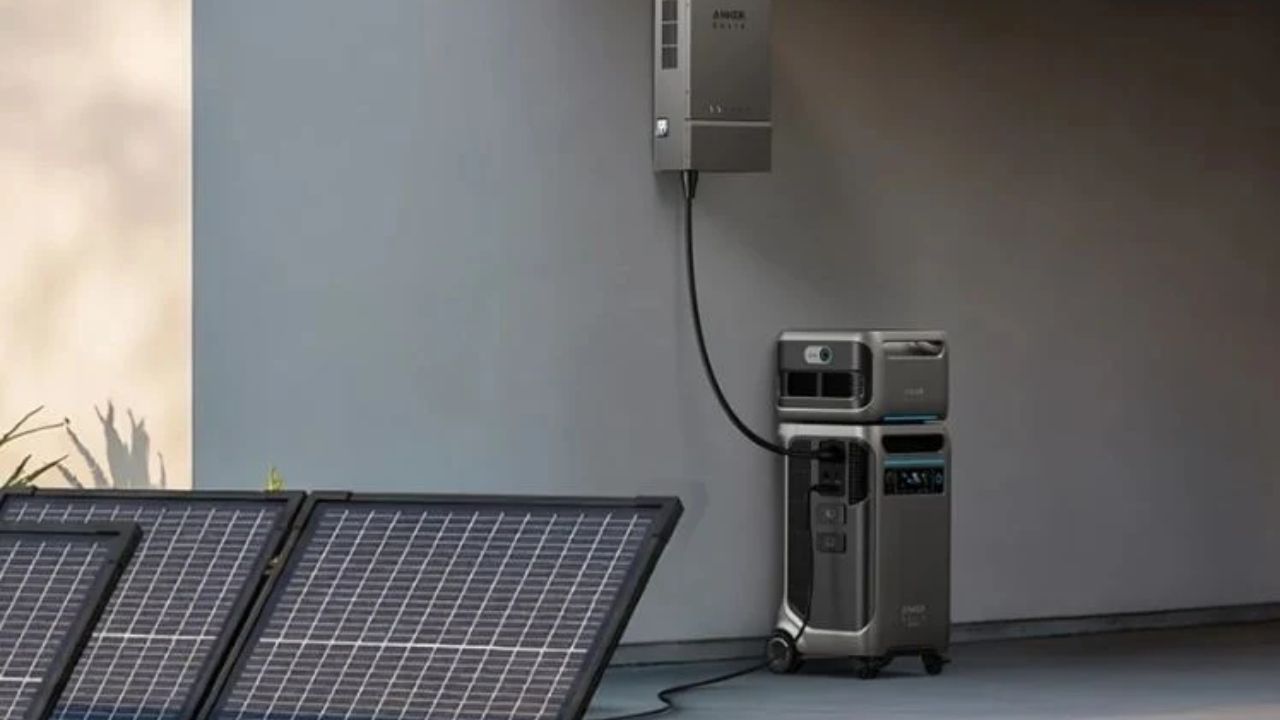
A home battery is a big box that stores electricity. You put it on a wall in your garage or on the side of your house. It does not make power on its own. It takes power from your home's electrical panel. It keeps that power stored inside. When the grid goes down, the battery sends that stored power back into your home.
Most home batteries today use lithium iron phosphate cells. These are safe and last a long time. They do not catch fire easily. They work in hot and cold weather. They hold a charge for months without losing much power.
The most popular home battery is the Tesla Powerwall. There are others from companies like Enphase, LG, and Sonnen. They all do the same basic job. They store power for when you need it most.
What Is A Home Generator?
A generator is a small engine that runs on fuel. Most home generators burn natural gas or propane. Some use diesel or gasoline. The engine turns a small alternator. That alternator makes electricity. The electricity goes into your home through a transfer switch.
Generators come in two sizes. Portable generators are small and cheap. You wheel them out when the power fails. You plug a few things into them with extension cords. Standby generators are big and fixed. They sit on a concrete pad outside your house. They turn on by themselves when the power goes out. They can run your whole house.
The most common standby generators are from Generac and Kohler. They look like air conditioning units. They are loud when they run. But they can keep your home going for days or weeks.
Read Also: Long Duration Energy Storage Technologies
The Cost Question: How Much Do They Really Cost?
This is the first thing most people ask. The price is very different for these two systems.
A home battery system costs between ten thousand and twenty thousand dollars. That includes the battery unit, the installation, and the electrical work. The price depends on how big the battery is. A smaller battery might cost eight thousand. A bigger one might cost twenty-five thousand. Most homes need one or two batteries.
A standby generator costs less at first. A whole home generator runs between five thousand and twelve thousand dollars. That includes the unit, the concrete pad, the transfer switch, and the gas hookup. Portable generators cost even less. You can get a good one for eight hundred to two thousand dollars.
But the upfront cost is only the start. You must look at the long term cost too.
A battery has almost no running cost. It uses electricity from your home. If you have solar panels, the power is free. If you do not have solar, the battery charges from the grid. That costs a few dollars a month. The battery needs no fuel. It has no oil to change. It has no filters to replace.
A generator has high running costs. It burns fuel every hour it runs. Natural gas is cheaper than propane. But both cost money. A generator running for a day can burn fifty dollars worth of fuel. If the power is out for a week, that is three hundred and fifty dollars. You also need to change the oil and filters every year. That costs a few hundred dollars.
Over ten years, the battery often costs less. The generator costs less at first. But it costs more to run and care for.
Reliability And Power: Which One Works When You Need It?
A battery works instantly. When the grid goes down, the battery switches on in less than a second. Your lights do not even flicker. Your computer stays on. Your fridge keeps running. You might not even notice the power went out.
A generator takes time. A standby generator takes about ten to thirty seconds to start. It has to crank the engine. It has to warm up. Then the transfer switch flips over. Your lights go out for a moment. Then they come back on. It is not a big deal for most people. But for some, those seconds matter.
A battery gives you steady power. The output does not change. It sends a smooth flow of electricity. This is good for sensitive electronics. Things like computers, televisions, and medical equipment prefer this clean power.
A generator gives you power that can vary. The engine speed changes with the load. The voltage can go up and down. This can sometimes damage sensitive electronics. Most modern generators have better voltage control. But it is still not as clean as a battery.
How Long Can They Run?
This is a big factor. It often decides the choice for many families.
A battery has a set amount of power inside. A typical home battery holds about thirteen kilowatt-hours of energy. That is the measure of power over time. It can run your fridge for about twelve hours. It can run your lights, internet, and TV for about ten hours. It can run your air conditioner for only two or three hours. If you have a big battery bank, you might get a day or two.
Once the battery is empty, it is empty. There is no more power. Unless you have solar panels. If you have solar, the battery can recharge during the day. Then it can power your home again at night. This can go on forever as long as the sun comes up.
A generator runs as long as it has fuel. If you have natural gas from the street, it can run for weeks. The gas never stops. If you have propane tanks, they will run dry. A typical five-hundred-gallon propane tank can run a generator for about a week. You can get more fuel delivered. But that is hard during a big storm.
For short outages, the battery is enough. For long outages, the generator wins. Unless you have solar panels with your battery. Then the battery can last as long as the generator.
Noise And Peace
A battery makes no noise. It has no moving parts. It sits on your wall and hums quietly. You cannot hear it from inside the house. You can barely hear it standing next to it. Your neighbors will not know you have power.
A generator is loud. Standby generators make about sixty to seventy decibels. That is as loud as a vacuum cleaner. Portable generators are even louder. They can hit eighty decibels. That is like a garbage disposal. You can hear it from inside your house. Your neighbors will definitely hear it.
If you have a small lot, noise matters. If you have close neighbors, noise matters. If you want to sleep at night, noise matters. Some generators have quieter modes. But they are still noisy. You cannot run a generator at night without waking people up.
Environmental Impact
A battery is clean. It does not burn anything. It does not make smoke or fumes. It does not put carbon into the air. If you charge it from the grid, the grid might use fossil fuels. But the battery itself is clean. If you have solar panels, it is completely green.
A generator burns fossil fuels. It makes carbon dioxide. That contributes to climate change. It also makes carbon monoxide. That is a poisonous gas. Generators must be placed outside. They must be far from windows and doors. If not, the gas can get into your home and kill you. Hundreds of people die every year from generator carbon monoxide poisoning.
A battery has no exhaust. It is safe to put inside your garage or basement. It poses no risk to your family's health.
Maintenance And Care
A battery needs almost no care. You install it and forget it. The software manages everything. It keeps itself at the right temperature. It balances the cells inside. You might need to clean the dust off it once a year. That is all.
A battery lasts for ten to fifteen years. Most companies give a ten-year warranty. They promise the battery will hold at least seventy percent of its original charge after ten years. After that, it will still work. It just holds less power.
A generator needs regular care. You must change the oil every year. You must change the air filter. You must change the spark plugs. You must run the generator once a month to keep it healthy. If you do not, it might not start when you need it.
A generator lasts for twenty to thirty years. The engine will run for thousands of hours. But it needs care every year. That care costs money and time.
What Happens During A Storm?
During a big storm, the grid often fails. Trees fall on power lines. Wind snaps the poles. Ice weighs down the wires. This is exactly when you need backup power.
A battery is quiet and clean. It works during the storm. It does not care about the weather. It is inside your home. The storm does not affect it.
A generator sits outside. It is exposed to the weather. Heavy rain can cause problems. Snow can block the air intake. Flooding can damage the engine. The generator will still work in most storms. But it is more at risk.
A battery needs the grid to work to recharge. If the grid is down and you have no solar, the battery will drain. Once it is empty, you have no power. With solar panels, the battery can recharge during the day. Even on cloudy days, solar panels make some power.
A generator does not need the grid. It only needs fuel. As long as you have fuel, you have power. This is why many people choose generators in areas with long storms. They do not want to worry about running out.
Which One Fits Your House?
Here is a simple way to think about this choice.
If you live in a city or suburb, power outages are usually short. They last a few hours or a day. A battery is perfect for this. It gets you through the outage. It is quiet and clean. Your neighbors will not complain. You can sleep through the night. You do not have to worry about carbon monoxide.
If you live in a rural area, power outages can last a week. The grid is weaker. The power companies take longer to fix lines. A generator is better here. It can run for as long as you need. You can keep your well pump running. You can keep your heating system going. You have peace of mind.
If you have solar panels, a battery is almost always the best choice. The solar panels charge the battery during the day. The battery runs your home at night. You become independent from the grid. Your power bill goes down. You have backup power every day, not just during outages.
If you do not have solar, you need to think harder. A battery will still work. But it only holds a day or two of power. After that, you are done. A generator will keep going.
You May Also Like: What are the key challenges facing green technology
Can You Have Both?
Many people do. They get a small generator and a battery. The battery runs the home during short outages. It is quiet and clean. It covers the first few hours. If the power is still out, the generator starts. It recharges the battery. Then the battery runs the home again.
This is the best of both worlds. The generator does not run all the time. It runs for a few hours a day. That saves fuel and money. The battery handles the rest. The generator does not run at night. So you sleep in peace. This setup costs more upfront. But it gives you the best reliability.
Some battery systems work with generators automatically. When the battery gets low, the generator turns on. When the battery is full, the generator turns off. You do not have to do anything. The system manages itself.
What About Portable Generators?
Portable generators are much cheaper. They cost a few hundred to a few thousand dollars. They are light enough to move. You pull them out when the power fails. You run extension cords to your fridge and lights.
Portable generators are loud and dirty. They burn gasoline. Gasoline goes bad after a few months. You have to keep fresh gas on hand. You have to store it safely. You have to wheel the generator out in the rain. You have to run extension cords through your house.
Portable generators are not a permanent solution. They are good for camping or emergency use. But they are not the same as a standby generator or battery.
A standby generator or battery is built into your home. They work automatically. You do not have to go outside in a storm. You do not have to handle fuel. You do not have to plug anything in. It all just works.
The Installation Process
A battery system needs an electrician. The electrician connects the battery to your electrical panel. They install a transfer switch. They mount the battery on the wall. The work takes a day or two.
The battery must be installed indoors or in a protected area. It cannot get wet. It works in cold and hot weather. But the electronics inside need to stay dry.
A generator needs an electrician and a plumber. The electrician connects the transfer switch. The plumber connects the gas line. The generator must sit on a concrete pad. It must be placed away from windows and doors. The work takes a day or two.
The generator must have proper ventilation. It needs space for air to flow. It needs a clear exhaust path. The gas line must be sized correctly. The whole process is more complex than a battery.
The Warranty And Lifespan
The warranty is important. It tells you how long the company trusts its product.
Battery warranties are usually ten years. The battery is guaranteed to keep at least seventy percent of its capacity. If it fails before ten years, the company replaces it. Most batteries last fifteen years or more. They slowly lose capacity over time. But they do not suddenly stop working.
Generator warranties are usually five to ten years. The engine is the most important part. The engine will last for thousands of hours. But it needs regular maintenance. If you skip maintenance, the warranty is void. Generators often last twenty years or more.
The Resale Value
A battery adds value to your home. Many home buyers like the idea of backup power. They also like the idea of lower electricity bills. A battery system can add five to ten thousand dollars to your home's value. This is especially true in areas with frequent outages.
A generator also adds value. But not as much. A standby generator might add three to five thousand dollars. Buyers see it as a nice feature. But they do not value it as highly as a battery.
The battery is newer technology. It feels more modern. It is connected to an app on your phone. You can see how much power you have. You can control it remotely. The generator is older technology. It works. But it is not exciting.
Emergency Needs And Medical Devices
If someone in your home uses medical devices, you need reliable power. Things like oxygen concentrators, CPAP machines, and home dialysis equipment need steady power.
A battery is ideal for medical needs. It provides clean, steady power. There is no interruption. The power does not go out for even a second. This is vital for some medical devices. The battery also makes no noise. That helps people sleep.
A generator takes time to start. The power goes out for ten to thirty seconds. That might be okay for some devices. But for others, it is not. The generator power can also vary. This might cause problems with sensitive medical gear.
For medical needs, a battery is often the safer choice. Some families get a battery just for medical devices. They get a generator for the rest of the home.
Solar And Battery Pairing
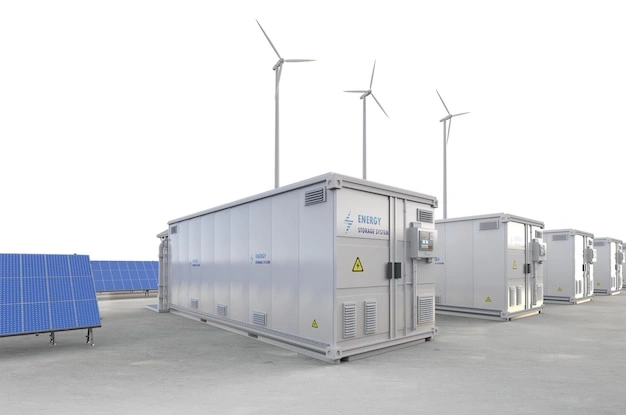
This is the future of home power. You put solar panels on your roof. They make power during the day. The battery stores that power. At night, you use the battery. During a power outage, the solar panels and battery work together.
The solar panels charge the battery. The battery runs the home. You never run out of power. You do not need fuel. You do not make any pollution. You are completely independent from the grid.
This setup costs a lot of money upfront. A solar system with battery can cost thirty thousand dollars. But it pays back over time. Your power bill goes down to almost zero. You get tax credits from the government. Many people see a return on their investment in ten years.
This is not possible with a generator. The generator cannot make power from the sun. It always needs fuel. It always costs money to run.
Taking The Final Decision
Here is a summary to help you decide.
You should choose a battery if you want quiet, clean, instant power. You should choose it if you have solar panels or plan to get them. You should choose it if your outages are short, usually less than a day. You should choose it if you care about the environment. You should choose it if you dislike maintenance and noise.
You should choose a generator if you have long outages, often more than a day. You should choose it if you want to run your whole house without worrying about running out. You should choose it if you have a natural gas line already at your home. You should choose it if your budget is tight right now.
You should choose both if you want the best reliability. The battery covers the short outages and the night. The generator covers the long outages and recharges the battery. This costs more upfront. But it gives you the most peace of mind.
The Bottom Line
The choice between a battery and a generator comes down to your needs. Think about how long your power goes out. Think about your budget. Think about your noise tolerance. Think about your environmental values.
A battery is the modern choice. It is clean and quiet. It works with solar panels. It gives you instant power. It costs more upfront but less over time.
A generator is the traditional choice. It is loud and dirty. It needs fuel and maintenance. It costs less upfront but more over time. It can run as long as you need it.
Both will keep your lights on. Both will keep your food cold. Both will charge your phone. Both give you peace of battery storage vs generator for home.
The best choice is the one that fits your life. Look at your home. Look at your neighborhood. Look at your power bills. Then make the call. You cannot go wrong with either. They are both good solutions. They just solve the problem in different ways.
If you are still unsure, talk to a local electrician. They know your area. They know the weather. They know the codes. They can look at your home and give you a price. Get three quotes. Compare them. Then choose the one that feels right for you.
Your home needs backup power. The grid is not perfect. The weather is getting more extreme. The power will go out. It is not a matter of if. It is a matter of when. Being ready gives you control. It keeps your family safe. It keeps your home comfortable. That is worth the cost.