
Starting a small business takes more than a good idea. It takes money. And finding that money is often the hardest part of getting off the ground.
You have a product people want. You have a plan. But you do not have enough cash to get everything running before revenue starts coming in. This is not a unique problem. It happens to almost every founder. The good news is that there are more funding paths than most startup funding options for small businesses.
This guide covers every major funding option for small businesses. For each one, you will learn what it actually takes to qualify, what it costs, and who it works best for. No financial jargon. No confusing terms. Just clear information you can use to make a real decision.
The First Choice: Debt or Equity?
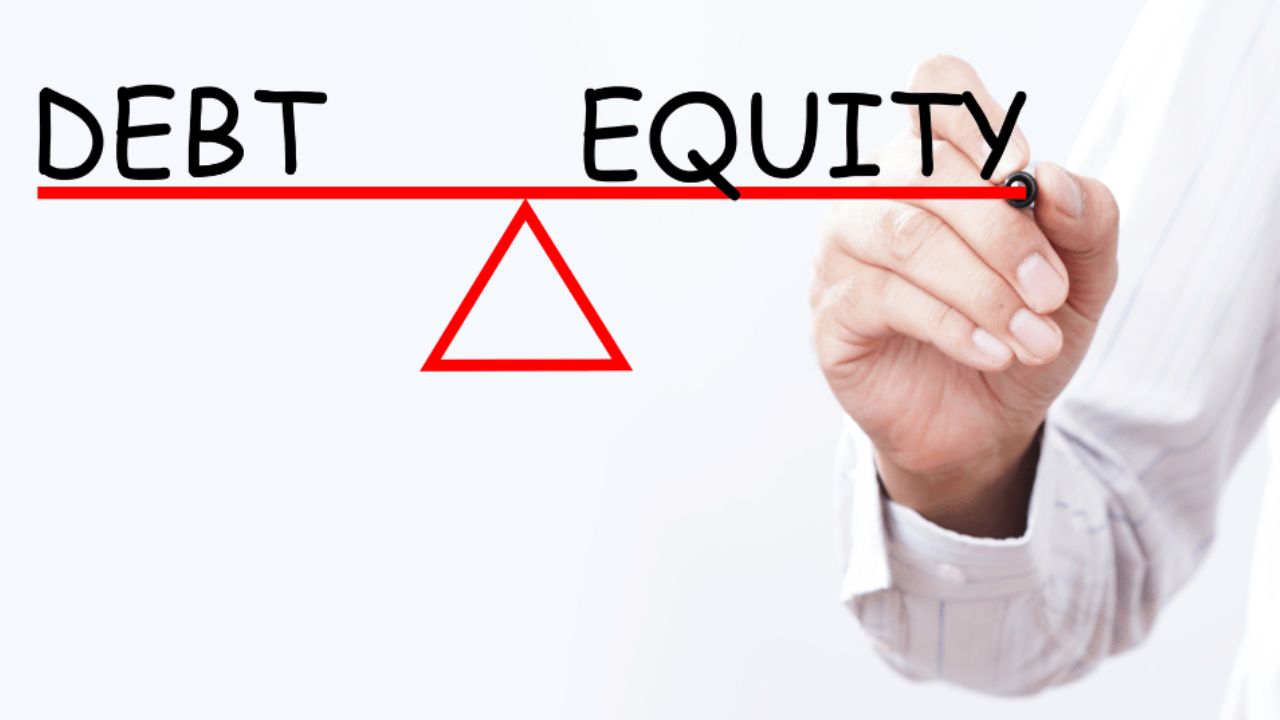
Before you look at specific options, you need to understand one fundamental difference. It shapes everything else.
Debt financing means you borrow money and pay it back. Loans, credit cards, and lines of credit work this way. You keep full ownership of your business. But you have a fixed payment schedule, and if you miss payments, there are serious consequences. Lenders often want collateral — something they can take if you do not pay. That could be equipment, property, or even your startup funding options for small businesses .
Equity financing means you sell a piece of your business. Investors give you money in exchange for ownership. You do not pay it back. But you give up some control. You now have people who own part of your company and may want a say in how you run it .
There is no universally better choice. It depends on your business, your growth plans, and your tolerance for risk. A restaurant with steady cash flow might use a loan. A software startup with no revenue yet might need equity because it cannot make loan payments.
Most small businesses use a mix. You might put in your own savings, get a small loan, and bring in a partner who invests. That blend is normal and often smart .
Self-Funding and Bootstrapping
The most common way small businesses get started is with the founder's own money. This is called bootstrapping. In Germany, for example, about 74 percent of founders used their own savings to launch in 2023 .
How it works: You use personal savings, cash from selling assets, or even retirement funds. You might also bring in money from family and friends who trust you and want to help.
Why people choose it: You keep complete control. There are no lenders to answer to and no investors to please. You do not pay interest or give away ownership. If the business succeeds, the rewards are entirely yours .
The real risks: If you run out of money, you have no backup. You cannot go back to yourself for another round. Using retirement accounts early can trigger penalties and fees that hurt your long-term security. And borrowing from family can damage relationships if the business fails and you cannot repay them .
Who it fits: Businesses with low startup costs. Consulting, freelancing, service businesses, and small online shops often work well with self-funding. It also works as part of a larger funding strategy — you put in what you can, then seek additional money from other sources.
If you ask family or friends for money, treat it seriously. Write down the terms. Even if they are close to you, a clear agreement protects everyone. Decide upfront whether it is a loan (with repayment terms) or an investment (with ownership). Confusion on this point causes problems later.
Read Also: How Venture Debt Works For Startups
Bank Loans
A traditional bank loan is still one of the most common ways to fund a small business. It is also one of the hardest to get without preparation.
What banks look for: A solid business plan, realistic financial projections, and proof that you can repay. Banks also want to see that you have some of your own money invested. In Germany, experts recommend that your own capital should be at least 20 percent of the total funding you need. This shows the bank you have skin in the game .
Surveys show the two most common reasons banks reject loan applications are "insufficient collateral" and "too little equity" . That means if you have limited personal assets or savings, a standard bank loan may be difficult to secure without help.
What it costs: Interest rates depend on the bank's assessment of your risk. The longer the loan term and the riskier your business looks, the higher the rate. You will also need to repay the principal plus interest on a fixed schedule .
The upside: You keep full ownership. Once you repay the loan, your relationship with the bank is complete. You do not owe anyone a share of your future profits .
The downside: Fixed payments can strain your cash flow, especially in slow months. And if you cannot repay, the bank can take the assets you pledged as collateral.
Who it fits: Established small businesses with steady revenue, good credit, and something to offer as security. If you are pre-revenue or have a very new business, a traditional bank loan will be very hard to get without a government guarantee (which we cover next).
Government-Backed Loans and Support Programs
Many governments run programs to help small businesses get loans they could not get on their own. These programs reduce the risk for banks, which makes banks more willing to lend.
The United States: SBA Loans
The Small Business Administration (SBA) does not lend money directly. Instead, it guarantees a portion of loans made by approved banks and lenders. If you default, the SBA covers most of the loss. This makes lenders more comfortable saying yes .
The SBA's main programs are the 7(a) loan and the 504 loan. The 7(a) is the flagship program, used for working capital, equipment, and expansion. The 504 program is for major fixed assets like real estate and heavy equipment .
A major change in 2026 now allows borrowers to combine both programs. Qualified borrowers can access up to **$10 million** in total SBA-backed financing, up from the previous $5 million limit. This gives growing businesses much more capital to work with .
To qualify, your business must meet the SBA's definition of "small," which varies by industry. You also need to show you cannot get credit elsewhere on reasonable terms .
Germany: KfW and State Programs
Germany offers a wide range of public funding through KfW (the state development bank) and state investment banks. These programs offer lower interest rates, longer terms, and sometimes repayment-free start periods .
One example is the ERP-Gründerkredit – StartGeld, which provides loans up to €200,000 for founders and young companies. KfW covers 80 percent of the default risk for your bank, making it easier to get approved . The program was recently reopened to nonprofit and social enterprises as well .
There is also the Mikrokreditfonds Deutschland, which provides small loans up to €20,000 for founders who cannot get a regular bank loan. And the Mikromezzaninfonds offers equity-like capital up to €50,000 to strengthen your capital base .
For founders who are unemployed, the Gründungszuschuss from the Federal Employment Agency provides a monthly payment equal to your previous unemployment benefit for six months, plus €300 monthly for social security. This support can extend for another nine months if you prove your business is active .
European Union Funding
The EU supports small businesses through programs like InvestEU and COSME. These programs work through local banks and financial institutions. The EU provides guarantees that allow banks to lend to businesses with limited credit history or higher-risk profiles .
For example, a recent agreement between GLS Bank and the European Investment Fund unlocked €200 million in financing for SMEs, social enterprises, and sustainable businesses in Germany. This includes specific funding for start-ups and businesses that might otherwise be excluded from traditional lending .
A practical warning: Government funding programs often have complex application processes and can take months to pay out. Start your applications early. Work with your bank, as most public loans must go through them. Ask about all available programs — banks often do not mention them unless you ask .
Grants and Subsidies
Grants are money you do not have to pay back. That makes them extremely attractive. It also makes them extremely competitive.
What they are for: Grants usually target specific goals — innovation, research, sustainability, job creation, or regional development. You must show that your project aligns with the startup funding options for startup funding options for small businesses.
The reality of grants: They are rarely suitable for basic start-up costs like buying a laptop or paying rent. Most grants require you to spend money first, then reimburse you afterward. You need to have cash on hand to cover costs while waiting for reimbursement. The application process is time-consuming and often requires detailed documentation and reporting .
Examples: In the US, the SBA does not typically offer grants for starting a business, but some states and local governments do. In Germany, programs like go-inno fund consulting services for small businesses, and ZIM funds research and development projects . The INVEST – Zuschuss für Wagniskapital program provides a grant to investors who put money into young companies, encouraging them to take the risk .
Who it fits: Businesses working on innovative products, research, or social impact. If you are opening a standard retail shop or a restaurant, grants are probably not available for your basic needs.
Angel Investors and Venture Capital
If you have a high-growth business that could scale significantly, equity investors may be the right path. These are people and firms that give you money in exchange for ownership.
Angel Investors
Angels are individuals who invest their own money in early-stage companies. They often invest in businesses they understand or have experience in. Many are former founders themselves .
Typical investment: Angels usually write checks from $25,000 to $250,000. Some invest more, but that is less common .
What they bring beyond money: Good angels open doors. They make introductions to customers, partners, and other investors. They provide advice based on their own experience. The best angel relationships feel like having a seasoned mentor who also has a financial stake in your success .
What they want: Angels invest in people as much as ideas. They want to see that you understand your market, have a realistic plan, and are someone they can work with. Unlike banks, they do not need collateral. But they do need to believe your business can grow large enough to give them a return .
The trade-off: You give up a percentage of your company. For angel investments, this is often 5 to 15 percent. You also give them a voice. Some angels are hands-off, while others want regular updates and may offer strong opinions about how you run things .
Read: How Venture Capital Funding Works For Startups
Venture Capital
Venture capital (VC) firms invest money from institutions and wealthy individuals. They typically focus on businesses that can become very large — often in technology, biotech, or other scalable industries .
Typical investment: VC investments usually start at $1 million or more, though some micro-VC firms write smaller checks. They invest in rounds, with each round tied to hitting specific milestones .
How it works: VC firms are highly selective. A typical firm might review 100 business plans and invest in only 5. The process involves extensive due diligence — they will examine your team, market, product, financials, and legal structure. This can take two to three months .
What VC brings: Beyond money, VCs provide structured support. They often take a board seat and help with hiring, strategy, and connections. They have seen many companies grow and can help you avoid common mistakes .
The trade-off: You give up significant ownership and control. VCs usually want a board seat and may have the power to replace management if the company underperforms. They are not investing to help you build a comfortable small business — they are investing to build something that can return their fund many times over .
A critical warning: Do not approach VCs if your business cannot realistically reach $100 million or more in revenue. The math of venture capital requires massive outcomes to make the economics work. If your goal is a profitable business that supports you and your family, angels or loans are better fits .
Crowdfunding

Crowdfunding raises money from many people, each contributing a small amount. It is one of the most accessible funding options because it does not require approval from a bank or a single investor.
How it works: You create a campaign on a platform like Kickstarter, Indiegogo, or Republic. You describe your product or business and offer rewards or perks to people who contribute. If you hit your funding goal within the campaign period, you get the money. If you do not hit the goal, contributors typically get their money back .
What backers get: In reward-based crowdfunding, backers receive a product, a special edition, or another perk. They are not investors and do not get ownership. They are essentially pre-buying your product or supporting your idea because they believe in it .
The upside: You keep full control of your business. If the campaign succeeds, you have money and also proof that people want what you are offering. That proof can help you get other funding later. And if the campaign fails, you typically do not owe anything .
The downside: Running a successful campaign takes serious work. You need to create videos, write compelling copy, and promote the campaign constantly. Most of the money comes from people you already know — friends, family, and existing followers. Strangers rarely contribute to campaigns from people they have never heard of. You also need to fulfill all the rewards you promise, which can be expensive and time-consuming .
Who it fits: Businesses with a physical product they can show and ship. Creative projects, new gadgets, games, and niche products do well. Service businesses and software often struggle because there is nothing tangible to offer as a reward.
Invoice Financing and Merchant Cash Advances
These are options for businesses that already have customers and revenue but need cash faster.
Invoice financing: You sell your unpaid invoices to a factoring company at a discount. They pay you most of the invoice amount upfront — often 80 to 90 percent — and give you the rest when the customer pays, minus a fee. This gets you cash immediately instead of waiting 30, 60, or 90 days for customers to pay .
Merchant cash advance: You receive a lump sum based on your future credit card sales. The advance is repaid automatically as a percentage of your daily sales. This is expensive — the effective annual rate can be very high — but it is fast and does not require collateral .
Who it fits: Businesses with steady revenue and outstanding invoices. This is a short-term cash flow solution, not a way to fund a new business from scratch.
How to Choose the Right Option
With all these options, the decision can feel overwhelming. Here is a simple framework to narrow it down.
Ask yourself these questions:
1. What stage is your business in? If you have not launched yet, your options are limited to self-funding, friends and family, and possibly grants. If you have revenue, bank loans and invoice financing open up. If you have a scalable business with strong growth, angels and VCs become possibilities .
2. How much money do you need? Under $50,000, self-funding, microloans, or crowdfunding may work. $50,000 to $500,000, bank loans or government-backed loans are often best. Over $1 million, equity investors are usually the only realistic option .
3. Can you handle fixed payments? If your revenue is unpredictable, a loan with fixed payments is risky. Equity might be safer because investors share the risk. If your revenue is steady, a loan lets you keep full ownership .
4. How much control do you want to keep? Every source of outside money comes with some loss of control. Loans give you the most control. Equity gives you the least. Decide what you are comfortable with before you start talking to anyone .
5. What can you offer as security? If you have assets to pledge, bank loans become easier. If you have nothing but your idea, you need to rely on self-funding, grants, or equity investors .
Common Mistakes to Avoid
Founders often make the same mistakes when raising money. Avoiding these can save you time, money, and stress.
Chasing the biggest name instead of the best fit. A prestigious investor who ignores you is less valuable than a smaller investor who genuinely helps. Pay attention to how people treat you during the process. That is how they will treat you after the money is in your account .
Taking too many small checks. Twenty people each investing $5,000 creates a complicated mess. You have twenty people expecting updates and offering opinions. Your cap table becomes a nightmare to manage. If you are raising from angels, try to have a lead investor who coordinates the group .
Not having a business plan. Every serious funding source — banks, grants, angels, VCs — will ask for a business plan. It does not need to be a hundred pages. But it needs to show that you understand your market, your costs, and how you will make money. A good plan is the foundation of every funding conversation .
Waiting until you are desperate. If you start looking for money when you have two weeks of cash left, you will make bad decisions. You will accept terrible terms because you have no leverage. Start exploring funding options six to twelve months before you actually need the money .
Ignoring the hidden costs. A loan has interest. Equity has dilution. Grants have reporting requirements. Crowdfunding has platform fees and fulfillment costs. Calculate the true cost of each option before you commit. The cheapest-looking option may not be the cheapest after all.
Final Thoughts
There is no single best way to fund a small business. The right answer depends on your specific situation, your business model, and your goals.
Start with what you have. Use your own savings if you can. Then look at what your government offers — public loan programs exist specifically to help people like you. If you need outside money and can handle repayment, talk to banks. If you have a scalable business and are willing to share ownership, explore angel investors.
Do not try to do everything at once. Pick the one or two options that fit your situation best, prepare thoroughly, and move forward. The money is out there. You just need to know where to look and how to ask for it.