
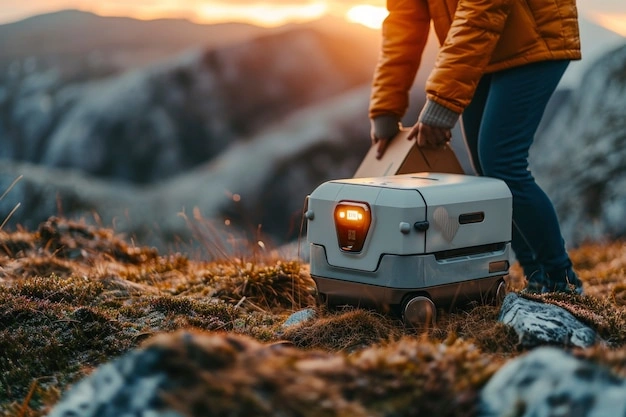
Picture this. You are deep in the woods. The fire is crackling. The stars are out. Your phone is almost dead. You want to charge it but there is no plug point anywhere. This is a common problem for campers. You want to stay connected. You want to take photos. You want to keep your lights on. You cannot do this without power. This is where a portable power station helps. It is like a big battery. You can take it anywhere. It gives you power when you need it. This guide will help you find the best one for your best portable power station for camping trips.
I have spent many nights in the wild. I have used many power stations. I know what works and what does not. I will share everything I have learned. I will keep it simple. You do not need to be an expert to understand. You just need to know what to look for. Let us start.
What Is A Portable Power Station?
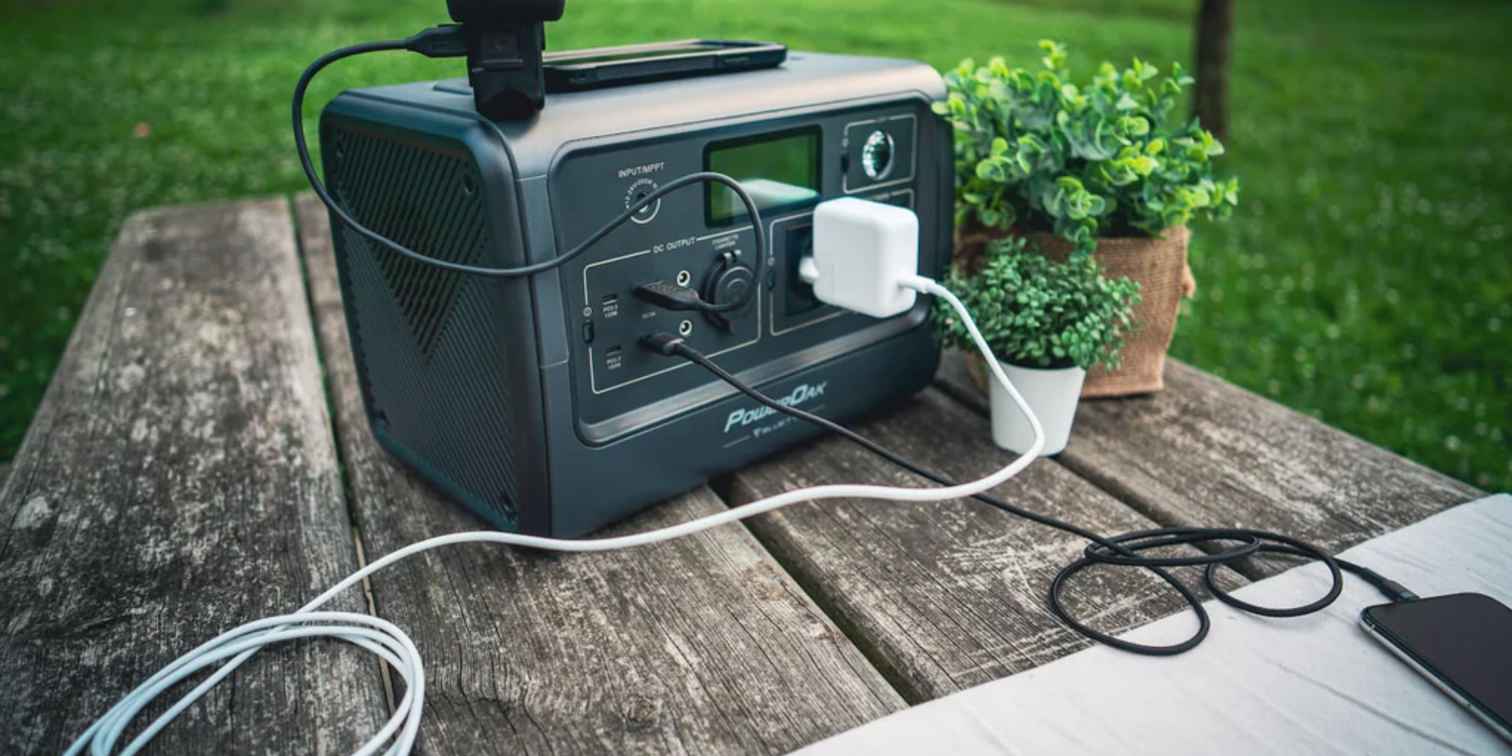
A portable power station is a big rechargeable battery. It has different outlets on it. You can plug your devices into it. You can charge your phone. You can run a small fan. You can power a mini fridge. You can even run medical devices. It is different from a power bank. A power bank is small. It only charges phones and tablets. A power station is bigger. It can run larger things.
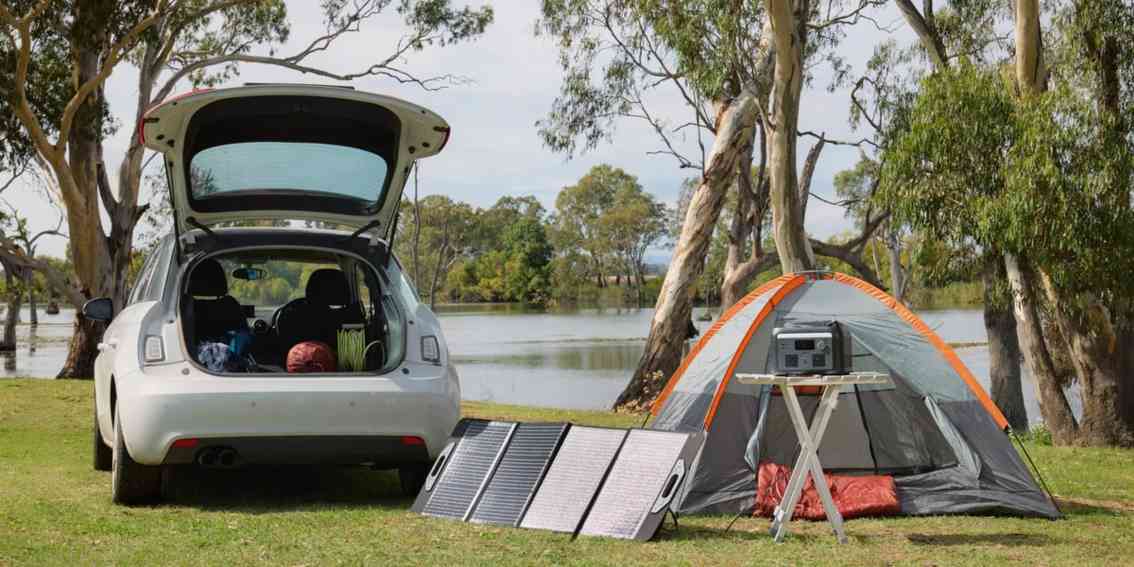
The power station stores electricity. You charge it at home before you leave. You plug it into a wall outlet. It fills up like a phone battery. Then you take it to your campsite. You use the stored power for your things. Some stations can also charge with solar panels. This is great for long trips. You can get power from the sun. This keeps you going for days.
These stations are safe to use. They have built in safety features. They stop working if something goes wrong. This protects your devices. It also protects the station itself. You can use them inside a tent. You can use them outside in the open. They are built to handle different weather. But you should keep them dry. Water can damage any electronic device.
Read Also: Best Gadgets for Hybrid Work Productivity
Why You Need One For Camping?
Camping is fun. But it can be hard without power. You need light at night. You need to cook sometimes. You want to take pictures. You want to listen to music. You may need to call for help. All these things need power. A power station gives you this power.
Think about your phone. You use it for maps. You use it for emergencies. You use it to take memories. When the battery dies, you lose all this. A power station keeps your phone alive. You can stay safe. You can find your way. You can call if something goes wrong.
Think about food. You bring food to camp. Some food needs to stay cold. Meat needs to stay cold. Milk needs to stay cold. A small cooler fridge can run on a power station. This keeps your food fresh. You can eat well. You do not waste food. This saves money and time.
Think about comfort. Camping can be hot. A small fan makes it better. Camping can be dark. Good lights make it better. A power station runs these things. You sleep better. You feel better. Your whole trip becomes more enjoyable.
How To Know Your Power Needs?
Before you buy a power station, you need to know your needs. Not everyone needs the same thing. A solo camper needs less power. A family needs more power. A group of friends needs even more. Let us figure out what you need.
First, list everything you want to power. Write down every device. Include your phone. Include your laptop. Include lights. Include a cooler if you have one. Include a fan. Include a camera. Include a drone. Include a CPAP machine if you use one. Include medical devices. Do not miss anything.
Second, look at each device. You need to know how much power it uses. This is measured in watts. You can find this on the device. Look for a number with a W next to it. For example, a phone uses 5 watts. A laptop uses 60 watts. A mini cooler uses 40 watts. Write these numbers down next to each device.
Third, think about how long you use each device. You use your phone for a few hours. You use lights for many hours at night. You use a fan while you sleep. Write down how many hours you use each one. This helps you find the total power you need.
Here is a simple way to think about it. Multiply the watts by the hours. That gives you watt-hours. For example, a 5 watt phone used for 5 hours needs 25 watt-hours. A 40 watt cooler used for 10 hours needs 400 watt-hours. Add all these numbers together. This gives you your total daily need.
Most campers need between 300 and 1000 watt-hours per day. This depends on what you bring. A small trip needs less. A long trip with a family needs more. Choose a power station that gives you what you need.
Key Things To Look For
When you shop for a power station, you will see many numbers. It can be confusing. I will explain each one. You will know what to look for. You will make a good choice.
Battery Capacity
Capacity is the most important thing. It tells you how much power the station holds. It is measured in watt-hours. Think of this as the size of your gas tank. A bigger tank holds more fuel. A bigger capacity holds more power. A 500 watt-hour station runs your phone for many days. A 1000 watt-hour station runs your cooler and lights all night.
Choose capacity based on your needs. If you camp for one night, 300 watt-hours is enough. If you camp for three nights, get 500 watt-hours. If you camp for a week or with a family, get 1000 or more. Remember, you can also recharge with solar. This changes everything.
Power Output
Output tells you how much power the station can give at one time. It is measured in watts. Think of this as the size of your engine. A bigger engine can pull more weight. A bigger output can run more things at once. A 300 watt output can run your phone and lights. A 1000 watt output can run a cooler and a fan and a laptop.
Look at your devices. Find the one that uses the most power. This is usually a cooler or a CPAP machine. Make sure your station output is higher than this number. If your cooler needs 500 watts, your station must output more than 500 watts. Otherwise, it will not work. Most stations show two output numbers. One is continuous power. One is peak power. Peak power is for starting motors. Make sure continuous power meets your needs.
Battery Type
There are two main battery types. You will see them in ads. One is NMC. The other is LiFePO4. I recommend LiFePO4. Here is why.
LiFePO4 batteries last longer. They can be charged and discharged many times. You can charge them 2000 times or more. NMC batteries only last 500 to 800 charges. This means LiFePO4 saves you money over time.
LiFePO4 batteries are safer. They do not catch fire as easily. They handle heat better. This is important when you are in the woods. The sun can get hot. The station can get warm. LiFePO4 handles this well.
LiFePO4 batteries are heavier. This is the only downside. They weigh more than NMC. But the extra safety and life are worth it. Most good camping stations use LiFePO4 now. Look for this when you shop.
Weight and Size
You carry your power station to camp. You might carry it far. You might carry it uphill. Weight matters. Small stations weigh 5 to 10 pounds. These are easy to carry. Medium stations weigh 15 to 25 pounds. These are okay for short walks. Large stations weigh 30 to 50 pounds. These are for car camping. You do not want to carry these best portable power station for camping trips.
Think about your trip. Are you driving to your campsite? Weight does not matter. Are you walking a mile to your spot? Get something light. Are you backpacking? Get the lightest one you can find. Balance weight with capacity. You want enough power but not too much weight.
Recharging Speed
You need to recharge your station. You can do this at home. You can do this with a car. You can do this with solar. How fast it charges matters. A fast charge saves you time. A slow charge keeps you waiting.
Check the recharging time from a wall outlet. Good stations charge in 1 to 2 hours. Some take 5 to 6 hours. Faster is better. Check the solar input. How many watts can it take from solar? More watts means faster solar charging. This is important for long trips.
Look for a station with multiple recharging options. Wall charging is standard. Car charging is useful. Solar charging is best for camping. A station with all three is the most flexible.
Outlets and Ports
Look at the outlets on the station. You need the right ones for your devices. Most stations have AC outlets. These are like wall plugs. You plug your laptop or cooler into these. Some stations have USB ports. You plug your phone into these. Some have USB C ports. These charge newer devices faster. Some have a cigarette lighter port. This is for car accessories.
Count the outlets. Make sure you have enough. You do not want to unplug one thing to plug another. That is annoying. Also check the placement. Are the outlets easy to reach? Are they on the front or side? Make sure they work for you.
You May Also Like: Wireless Mini Projector For Iphone
Best Power Stations For Different Campers
Now we look at actual products. I have chosen four stations. Each one fits a different type of camper. You will find one that fits you.
Best Overall: EcoFlow DELTA 2
The EcoFlow DELTA 2 is the best all around station. It works for most campers. It gives you enough power. It is not too heavy. It charges very fast. It is built well.
The capacity is 1024 watt-hours. This runs a cooler for many hours. It runs lights all night. It charges phones and laptops many times. The output is 1800 watts. This handles most devices. It even handles small appliances.
The weight is 27 pounds. This is okay for car camping. It is heavy for walking far. But the power you get is worth it. The battery is LiFePO4. It lasts 3000 charges. This station will work for many years.
The best part is recharging. It charges from a wall outlet in 1.3 hours. This is very fast. Other stations take much longer. It also takes solar up to 500 watts. This fills it in 2 to 3 hours with good sun. You will never run out of power.
Best Heavy Duty: EcoFlow DELTA Pro
The EcoFlow DELTA Pro is for serious campers. This is for families. This is for long trips. This is for people who need lots of power. It is big and heavy. But it gives you almost unlimited power.
The capacity is 3600 watt-hours. This is huge. It runs a full size refrigerator. It runs heaters. It runs everything. The output is 3600 watts. This can run power tools. It can run a microwave. You can almost live like you are at home.
The weight is 99 pounds. You cannot carry this. You put it in your car or RV. You set it up at your campsite. You do not move it much. The battery is LiFePO4. It lasts 6500 charges. This is the longest lasting battery on the market.
The recharging is flexible. It charges from a wall in 2.8 hours. It takes solar up to 1600 watts. This fills it in 3 to 4 hours. You can also charge it with a generator. You can use an EV charger. This station is made for everything.
Best Lightweight: Anker SOLIX C300
The Anker SOLIX C300 is for backpackers. It is for solo campers. It is for people who walk to their site. It is small and light. But it still gives good power.
The capacity is 288 watt-hours. This runs your phone for days. It runs a laptop for a day. It runs small lights easily. The output is 300 watts. This handles phones and tablets and cameras. It handles a small fan. It does not handle a cooler.
The weight is 7 pounds. You can put this in your backpack. You can carry it for miles. This is the best part. The battery is LiFePO4. It lasts 3000 charges. You get the safety and life in a small package.
The recharging is fast. It charges from a wall in 1 hour. This is great when you are at a cafe or friend's house. It takes solar up to 100 watts. This charges it in 4 hours with good sun. For a small station, this is very good.
Best Value: Bluetti AC70
The Bluetti AC70 is for budget minded campers. It gives you good power at a good price. It is not the biggest. It is not the fastest. But it works well. And it saves you money.
The capacity is 768 watt-hours. This runs a cooler for a day. It runs lights and phones easily. The output is 1000 watts. This handles most camping devices. It handles a small heater or fan.
The weight is 22 pounds. This is medium. You can carry it short distances. It is okay for car camping. The battery is LiFePO4. It lasts 2500 charges. This is good for a budget station.
The recharging takes 1.8 hours from a wall. This is okay. Not the fastest but not the slowest. It takes solar up to 500 watts. This fills it in about 2 hours. For the price, this is a very good station.
How To Use Your Power Station At Camp?
Using your power station is easy. But there are some tips to get the most from it. I will share what I have learned from years of camping.
Plan your day. Use your high power devices during the day. This is when the sun is out. Your solar panels work best then. Save lower power things for night. Lights and phone chargers do not need much power. Run your cooler all day and night. It uses power constantly.
Keep your station cool. Heat is the enemy of batteries. Put your station in the shade. Do not leave it in a hot car. Do not put it near the fire. Keep it in a cool place. This makes it last longer.
Use the right cables. Use good quality cables. Cheap cables waste power. They also break easily. Spend a little more on good cables. They last longer and work better.
Charge before you leave. Always start with a full station. You do not know when you will get to recharge. A full station gives you maximum time. Do not leave it empty for a long time. This hurts the battery.
Turn off what you do not use. If you are not using an outlet, turn it off. Some stations have a power button for each outlet. Use these. It saves power. Every little bit helps.
Solar Panels For Camping Power
Solar panels make your power station better. You can stay out longer. You do not need to find a wall outlet. You use the sun. It is free. It is clean. It is quiet.
Solar panels come in different sizes. Small panels are 50 to 100 watts. These are light and easy to carry. They charge a small station in a day. Large panels are 200 to 400 watts. These charge a big station in half a day. Choose based on your power needs.
Set up your panels in the sun. Put them where they get direct light. No trees blocking. No shadows. The sun should hit them straight on. Change their angle during the day. The sun moves. You can move the panels to follow it. This gives you more power.
Some stations have a solar input limit. Check this before you buy panels. If you connect more than the limit, you can damage the station. Match your panels to your station. Most stations list their solar input in the specs. Follow this number.
Solar panels are great for long trips. You can camp for a week or more. You never run out of power. You just need good sun. Check the weather before you go. Cloudy days give less power. Rainy days give almost none.
Mistakes To Avoid
Many people make mistakes with their first power station. I made some too. I learned from them. I will share them so you do not repeat them.
Buying too small. This is the most common mistake. People see a cheap small station. They buy it. Then they get to camp. Their phone dies. The cooler stops working. They do not have enough power. Spend a little more for a bigger station. You will not regret it.
Not checking the weight. People look at capacity. They do not look at weight. Then they have to carry a heavy station. This ruins their trip. Always check the weight. Make sure you can carry it.
Forgetting cables. You bring your station. You bring your devices. You forget the cables. Now you cannot charge anything. Make a checklist. Put all cables in one bag. Do not forget them.
Not testing before the trip. You buy your station. You put it in the closet. You go camping. You try to use it. It does not work. The battery is dead. The outlet is broken. Test everything at home. Charge it up. Plug in your devices. Make sure everything works.
Overloading the station. You plug in too many things. The station turns off. This is a safety feature. It protects itself. But it is annoying. Know your station output. Do not plug in more than that.
Caring For Your Power Station
Your power station is an investment. You want it to last. Proper care makes it last longer. Here is how to take care of it.
Keep it clean. Dust and dirt can get into the ports. This can cause problems. Wipe it with a dry cloth. Do not use water. Do not use cleaning liquids. Keep the ports covered when not in use.
Store it properly. When you are not camping, store your station in a cool dry place. Not in the garage. Not in the shed. Inside your house is best. The temperature should not be too hot or too cold.
Charge it regularly. Do not leave it empty for months. This damages the battery. Charge it to about 50 percent for long term storage. Check it every few months. Top it up if it goes low.
Use the right charger. Use the charger that came with your station. Other chargers might not work right. They might damage the battery. If you lose your charger, buy the official one.
Keep it away from water. Water is bad for electronics. Do not let rain hit your station. Do not place it on wet ground. A small tarp under it helps. This keeps it dry and safe.
Frequently Asked Questions
How long does a power station last on a camping trip?
It depends on what you power. A 500 watt-hour station runs a phone for 50 hours. It runs a 40 watt cooler for 12 hours. It runs both at the same time for less time. Check your devices and add up the power use.
Can I use my power station while it is charging?
Yes. This is called pass through charging. You can plug in your devices while the station charges. Some stations handle this better than others. Check if your station supports it. Most modern ones do.
Is it safe to use a power station in a tent?
Yes. Power stations do not release fumes. They are safe inside. But keep them away from the tent walls. They can get warm. They need airflow. Place them on a flat surface.
How long does a power station battery last?
LiFePO4 batteries last 2000 to 6000 charges. This is about 5 to 10 years of regular use. NMC batteries last 500 to 800 charges. This is about 2 to 4 years. Choose LiFePO4 for longer life.
Can I fly with a power station?
Most airlines do not allow large power stations. The limit is usually 100 watt-hours. Some allow up to 160 with permission. Check with your airline before flying. For camping trips, you usually drive anyway.
What size solar panel do I need?
Match your solar panel to your station. Look at the solar input limit on your station. Get a panel that is close to this number. A 100 watt panel works for small stations. A 400 watt panel works for large stations.
Final Thoughts
Choosing a power station for camping does not have to be hard. You know your needs now. You know what to look for. You know about the different products. You can make a good choice.
Think about your camping style. Do you go for one night or one week? Do you carry your gear or drive to your site? Do you camp alone or with family? Answer these questions. Then pick the station that fits.
I have used many stations over the years. I have learned what works. The EcoFlow DELTA 2 is my top pick for most campers. It has the right balance of power and weight. It charges fast. It lasts a long time. You will not go wrong with it.
But every camper is different. Maybe you need something lighter. The Anker SOLIX C300 is great for backpackers. Maybe you need more power. The EcoFlow DELTA Pro is for heavy duty trips. Maybe you want to save money. The Bluetti AC70 gives you good value. Each station has its place.
The most important thing is to get out there. Enjoy the outdoors. Enjoy the quiet. Enjoy the stars. Your power station just makes it better. It gives you comfort. It keeps you safe. It connects you when you want to connect. And it gives you peace of mind. That is what camping is all about.