
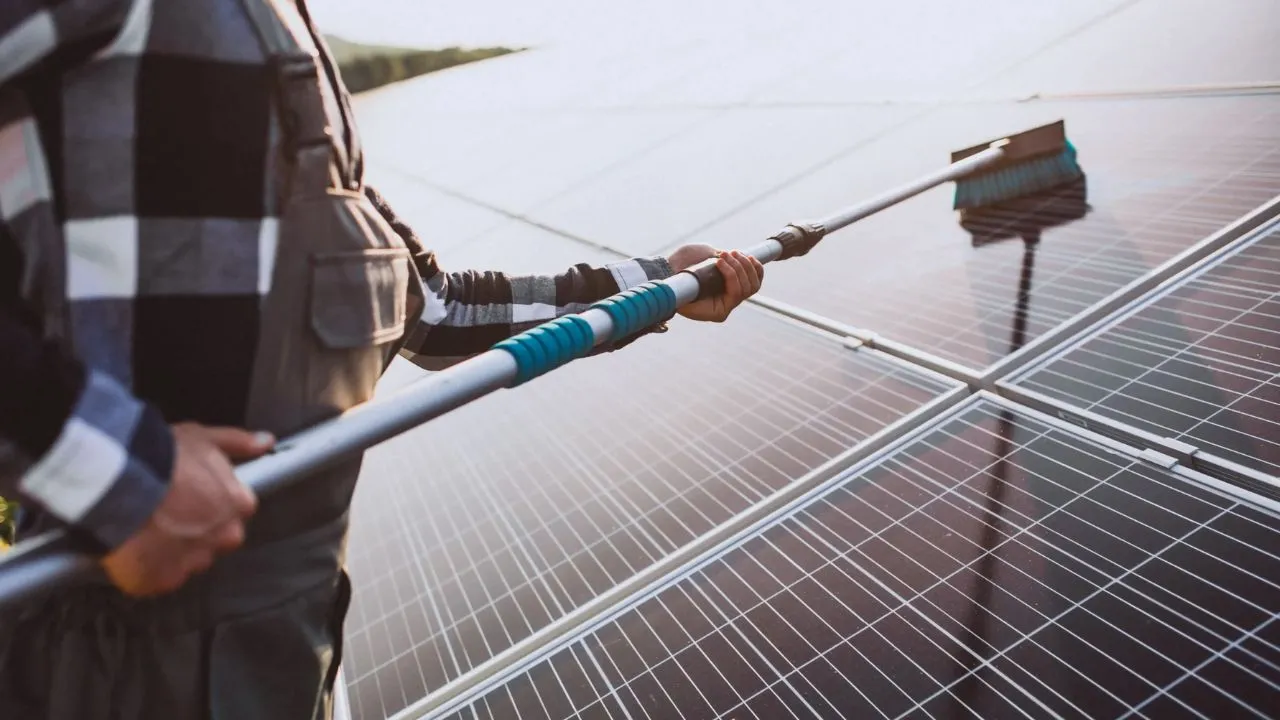
Putting solar panels on your home is a good decision. It helps you save money on electricity bills. It also helps the environment. But the work does not end when the installation is done. To get the most out of your investment, you need to take care of your solar panels. This guide will walk you through everything you need to know about solar panel maintenance at home. We will use simple words and focus on the conditions you face in India .
Why You Must Take Care of Your Solar Panels?
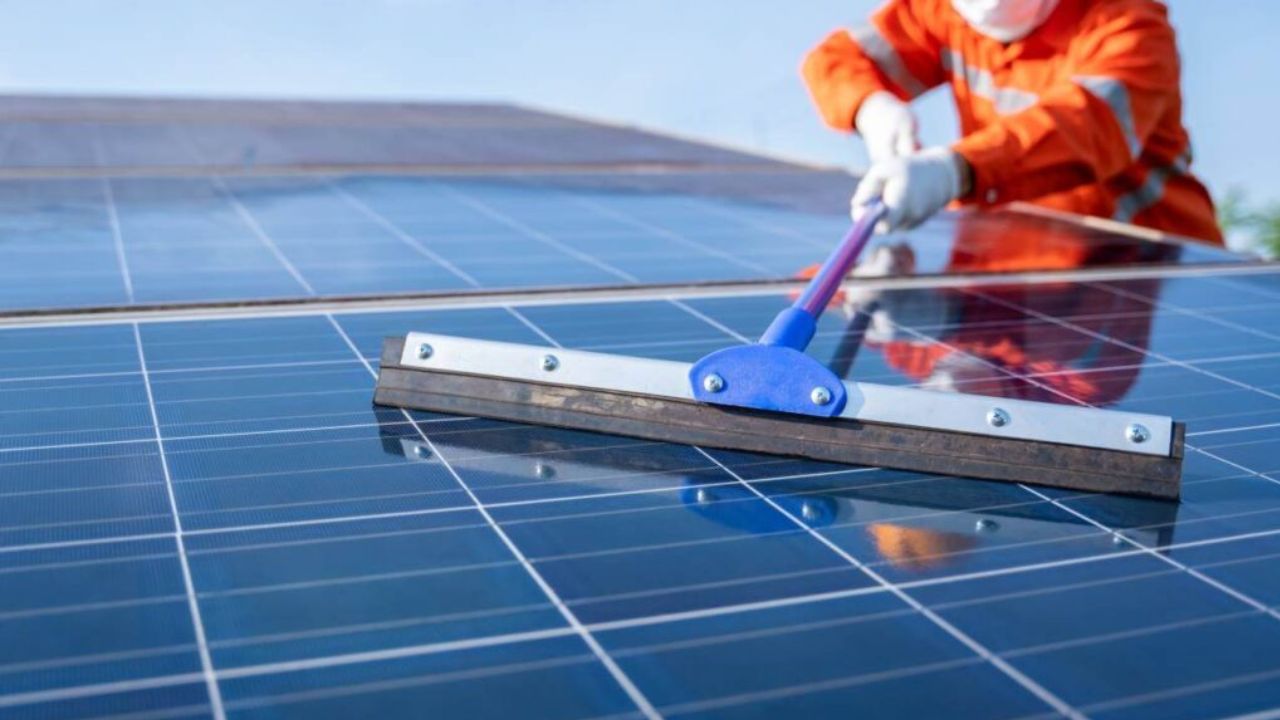
Think of your solar panels as a window. A clean window lets in more light. A dirty window blocks the light. The same applies to your solar panels. Dust, dirt, bird droppings, and leaves can cover the panels. This blocks the sun. When the sun is blocked, your solar panel maintenance tips for home .
In India, we have a lot of dust and pollution. This is a big problem for solar panels. A layer of dust works like a curtain . It can reduce the power your panels make by up to 25% . That is a big loss of money. Good maintenance ensures your panels work at their best. This means you save more on your electricity bills and your panels last for many years.
Read Also: Long Duration Energy Storage Technologies
How to Clean Your Solar Panels?
Cleaning your solar panels is the most important task. It is also a simple job if you do it the right way. Here is a step-by-step guide.
Step 1: Safety First
Before you start, you must be careful.
-
Switch Off the Inverter: The inverter is the box that changes the power from your panels into the power your home uses. Turn it off before you start cleaning. This is for your safety .
-
Be Safe on the Roof: Only go up on your roof if it is safe. If the roof is high or steep, it is better to hire a professional. Never stand or walk on the solar panels themselves. The glass can crack under your weight .
Step 2: Pick the Right Time
The time of day matters a lot.
-
Clean in the Morning or Evening: Do not clean your panels in the afternoon. The glass can be very hot in the sun. Pouring cold water on hot glass can cause the glass to crack. This is called thermal shock. It is a serious risk for your panels .
-
Morning or late evening is best for cleaning.
Step 3: Use the Right Tools
You do not need expensive tools. But you must use the right ones to avoid damage .
-
Use a Soft Brush or Cloth: A soft-bristled brush or a microfiber cloth is perfect .
-
Avoid Abrasive Materials: Never use steel wool or rough scrubbers. They will scratch the glass. A scratch on the glass can create a "hot spot." This can damage the solar cell inside the panel .
-
Do Not Use a Pressure Washer: The water from a pressure washer is too strong. It can damage the seals around the glass. Water can then get inside the panel and ruin it .
-
A Garden Hose is Fine: A regular garden hose is the best tool for rinsing the panels.
Step 4: The Cleaning Process
Follow these steps for a safe and effective clean:
-
Pre-Rinse: First, rinse the panels with water from your hose. This removes loose dust and dirt .
-
Wash: Use a soft brush or cloth with plain water. For stubborn dirt, you can add a little mild dish soap to the water. Do not use strong chemicals, solvents, or acids. These can damage the panels .
-
Rinse Again: Rinse the panels thoroughly with clean water to remove all the soap.
-
Dry: Let the panels air dry. You can also use a soft rubber squeegee to remove the water. This helps avoid water spots .
Check the Surroundings
It is not just the panels themselves you need to look at. You also need to check what is around them.
Look for Shade
Your solar panels need direct sunlight to work well. Even a little shade can greatly reduce their output .
-
Watch for New Shade: As trees grow, new branches can cast shadows on your panels. Also, new buildings near your home can create shade.
-
Cut Back Branches: If you see branches blocking the sun, trim them back. This is an easy way to keep your system working well .
-
Peak Sun Hours: The most important time for your panels is between 11 AM and 3 PM. Make sure there is no shade at all during these peak hours .
Protect from Birds and Animals
Birds and animals can be a problem for solar panels. They can nest under the panels or leave droppings on them.
-
Bird Droppings: Bird droppings can damage the glass. They are acidic and can leave marks. Clean them off as soon as you see them .
-
Bird Proofing: You can install bird spikes or nets around your panels. This stops birds from nesting under them. This is a very helpful step in many areas of India .
-
Check for Rodents: Rats or squirrels can chew on the wiring. This can cause serious problems. During your checks, look for signs of damage to the wires .
Look for Wear and Tear
Every few weeks, do a simple visual check of your system. Look for any signs of solar panel maintenance tips for home.
Check the Panels
Look at the glass surface of the panels carefully.
-
Cracks or Chips: Look for any cracks or chips in the glass. Even a small crack can get bigger over time. If you see a crack, it is a sign to call a professional .
-
Discoloration: Look for any brownish color or bubbles on the panel. This can be a sign of damage. This is called delamination. It means water is getting inside the panel .
Check the Wiring and Connections
Electrical issues can be a big problem.
-
Look for Loose Wires: Check the wires and connections. Make sure they are secure. A loose connection can cause a loss of power or even a fire .
-
Look for Damage: Check for any frayed cables or signs that an animal has been chewing on them .
-
Check for Rust and Corrosion: If you live near the coast, salty air can cause rust. Look for rust on the metal parts and connections. Contact a professional if you see it .
You May Also Like: Top Emerging GreenTech Innovations in 2026
Check Your Inverter and Monitor Performance
The inverter is the brain of your system . It changes the power from your panels so you can use it in your home. You must check it regularly.
Check the Inverter
Your inverter has a display. It may show a green light, or it might have an error message.
-
Look for Warnings: Check the inverter display for any warning lights or error codes. Your user manual will tell you what the lights and codes mean .
-
If you see a problem, call a technician.
Monitor the Output
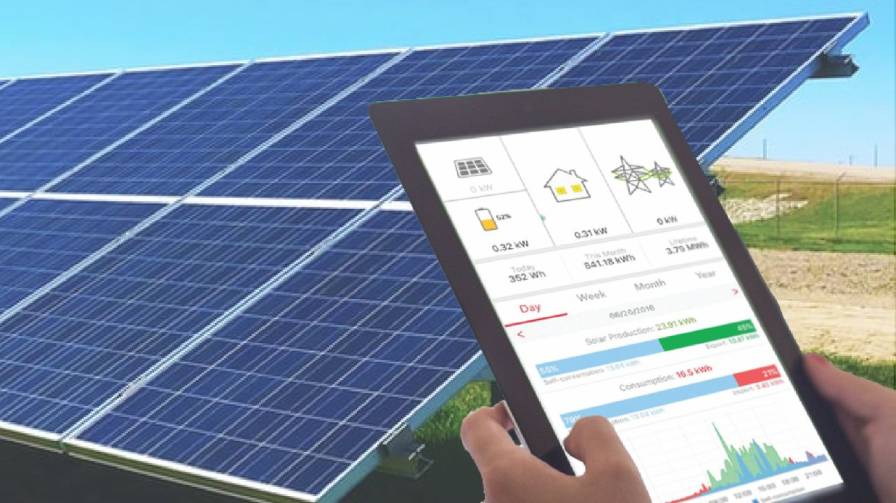
Most solar systems come with a mobile app or a website that shows how much power your system is making.
-
Check the App: Look at your app regularly. See how much power your panels are making .
-
Look for a Drop in Output: If you see a sudden and big drop in power, something might be wrong. For example, if you see a 15% drop on a sunny day, it is a sign to check your system .
The Role of the Seasons
The weather in India changes a lot. Your maintenance should change with it .
Summer
-
More Dust: Summer is dry and dusty. The winds blow dust onto your panels.
-
Clean More Often: You should clean your panels every 3 to 4 weeks in the summer .
Monsoon
-
Rain Can Help: The rain can wash away some dirt .
-
Mud Streaks: But the rain often leaves mud streaks on the panels. When the sky is clear, rinse off the mud with water .
Winter
-
Smog and Pollution: In North India, winter brings smog and smoke from stubble burning.
-
Thick Layer of Dirt: This can create a thick, oily layer on your panels. You might need to use a little soapy water to clean this off .
After a Storm
-
Check for Damage: After a big storm or high winds, check your panels. Look for any damage or loose parts . Strong winds can loosen the mounting system.
When to Call a Professional?
You can do the basic cleaning and checks yourself. But some jobs are for trained technicians. It is a good idea to call a professional once a year for a full check-up .
What a Professional Does
-
Electrical Testing: A technician has special tools to test the electrical systems. They can check the voltage and ensure everything is working safely .
-
Thermal Imaging: They use special cameras to find "hot spots" on the panels. A hot spot is a sign of a damaged cell inside the panel. You cannot see this with your eyes .
-
Deep Cleaning: They can safely clean panels in hard-to-reach places.
-
Safety: They have safety gear to work on roofs. This is safer for you and for your system.
When You Must Call a Professional
- If you see a crack or damage on a panel.
- If you see loose or damaged wiring.
- If the inverter shows an error code.
- If you see a big drop in power that cleaning does not fix.
In Conclusion
Taking care of your solar panels is not hard. It is a simple practice that protects your investment. A clean system makes more power. This means you save more money on your bills. And your system will last for 25 years or more.
To summarise:
- Clean Regularly: Clean the dust and dirt off your panels. Do this at the right time, with the right tools.
- Check for Shade: Cut back any branches or plants that cast shade.
- Look for Damage: Every few weeks, check the panels, wires, and inverter for any signs of wear.
- Monitor Output: Keep an eye on your system's power output through the app.
- Get a Professional Checkup: Have a professional inspect your system once a year.